
Benin coup: What happened and why it matters for West Africa
When the Benin coup, a sudden military move to seize control of government institutions in Benin. Also known as the 2021 Benin political crisis, it was a rare moment when a West African nation’s democratic progress visibly cracked. It wasn’t a full-blown takeover like some seen elsewhere — no tanks rolling through Cotonou, no nationwide blackout. But the arrest of opposition figures, the sudden silence of independent media, and the president’s abrupt shift to emergency rule told a clear story: power was being redefined behind closed doors.
The Patrice Talon, Benin’s president since 2016, who has steadily centralized authority and weakened checks on his power. had spent years reshaping the country’s political system — banning opposition parties, rewriting election rules, and sidelining critics. By 2021, even his own allies were whispering about a power grab. The coup attempt, whether real or manufactured, became the excuse he needed to tighten control. It wasn’t just about stopping rebels. It was about rewriting the rules so no one else could challenge him again. And it worked. The military, long loyal to Talon, moved fast. Journalists were detained. Protests vanished. The international community reacted with cautious concern, but no real pressure followed.
This moment in Benin didn’t happen in a vacuum. It’s part of a pattern across West Africa politics, a region where democratic backsliding has become more common than progress in recent years. From Mali to Burkina Faso to Niger, military leaders have stepped in, claiming corruption and instability as reasons to take over. In Benin, the narrative was different — no coup, just a crackdown disguised as security. But the effect was the same: citizens lost voice, institutions lost trust, and the path to free elections grew darker. What makes Benin different is that it used to be a model. It had peaceful transfers of power. It had active civil society. Now, it’s a warning sign.
If you’re watching Africa’s political pulse, Benin’s story isn’t just about one country. It’s about how leaders use fear, legal loopholes, and military loyalty to stay in power — without firing a single shot. Below, you’ll find real reports, analyses, and firsthand accounts that piece together what really happened during those tense days, who stood to gain, and how the region is responding. This isn’t history yet. It’s still unfolding.
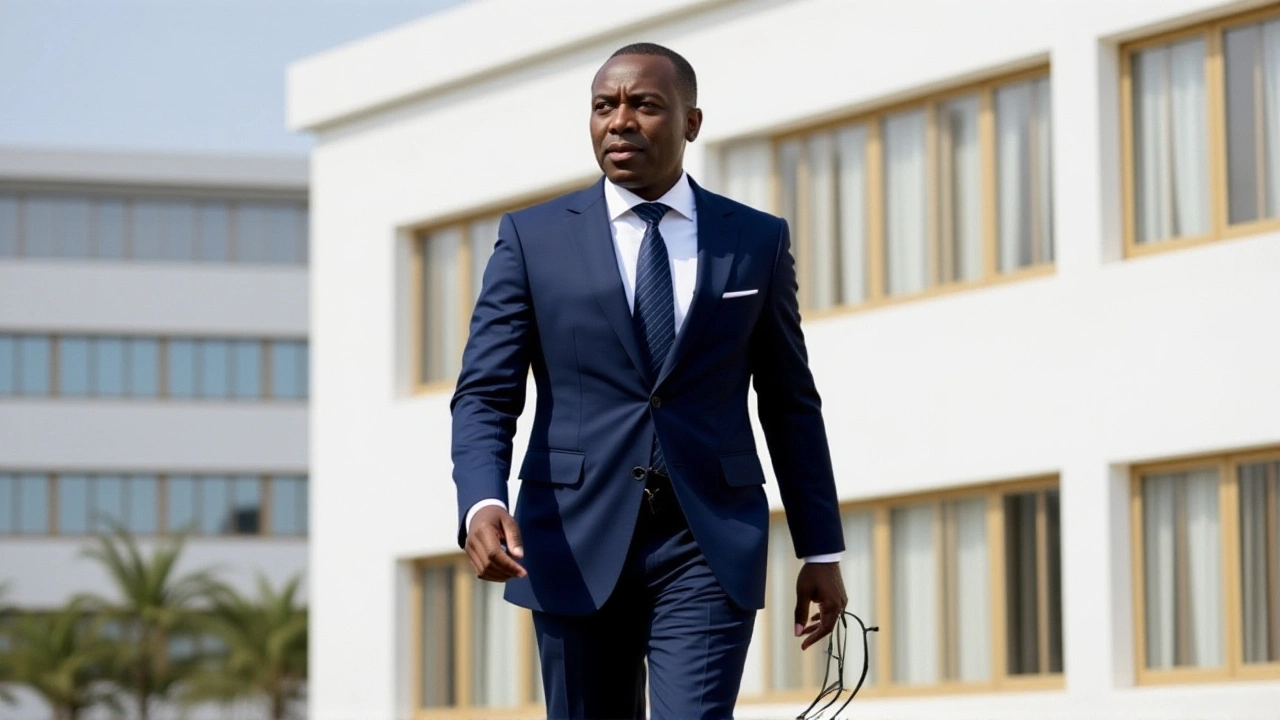
No Coup in Benin: False Claim of December 2025 Military Uprising Has No Basis in Fact
Keabetswe Monyake Dec 8 11No coup occurred in Benin on December 8, 2025—the claim is false. President Patrice Talon's government remains stable, with no military unrest since 1972. Benin's democratic resilience defies regional trends.
More Detail