
Political Stability in Africa: What It Means and Why It Matters
When we talk about political stability, the condition where a government functions without violent disruption or sudden power shifts. Also known as governance continuity, it’s what lets schools open, markets stay stocked, and businesses plan for the future. In Africa, this isn’t theoretical—it’s the difference between a family eating dinner and wondering where their next meal will come from.
It’s not just about who’s in power. African governance, how leaders make decisions, respond to public demands, and enforce rules matters more than elections alone. Take Nigeria’s recent move to require thesis submissions before NYSC service—this policy shift didn’t come from nowhere. It reflects a government trying to rebuild public trust through education reform. Or look at the Nigerian naira strengthening despite rumors of collapse. That’s not luck. It’s the result of Central Bank reforms that people started believing in. Political stability isn’t the absence of conflict; it’s the presence of predictable systems.
Economic growth, the rise in a nation’s production of goods and services over time doesn’t happen in a vacuum. It needs stability. When Aliko Dangote decides to sell LPG directly to Nigerians, bypassing middlemen, he’s betting that the government won’t suddenly change the rules tomorrow. When South African football clubs like Orlando Pirates and Kaizer Chiefs fight for the title, fans show up because they believe next week’s match will actually happen. That’s stability. And when public workers in Abuja plan a picket over unpaid salaries, they’re not just angry—they’re testing whether the system still listens.
Then there’s public trust, the belief that institutions will act fairly and consistently. When a court in Warri halts police enforcement of a tinted-glass rule, and officers claim they never got the order, trust cracks. When a businessman like KT Molefe gets bail after a high-profile murder case, people watch—not just for justice, but to see if the system treats everyone the same. Stability doesn’t mean silence. It means people believe their voice can change things without chaos.
And policy reform, deliberate changes to laws or systems to improve outcomes is where stability gets built. Not with speeches, but with actions. The Super Eagles’ World Cup playoff run isn’t just about soccer. It’s proof that leadership changes can turn a failing campaign around. When Nigeria’s education policy shifts to require thesis submissions, it’s a long-term bet on quality over quantity. These aren’t random moves. They’re responses to pressure, feedback, and the quiet demand for better.
What you’ll find below isn’t a list of headlines. It’s a snapshot of how political stability lives—sometimes quietly, sometimes loudly—in everyday moments across Africa. From court rulings to salary disputes, from football matches to fuel prices, it’s all connected. These stories don’t just report events. They show you where the ground is steady… and where it’s still shaking.
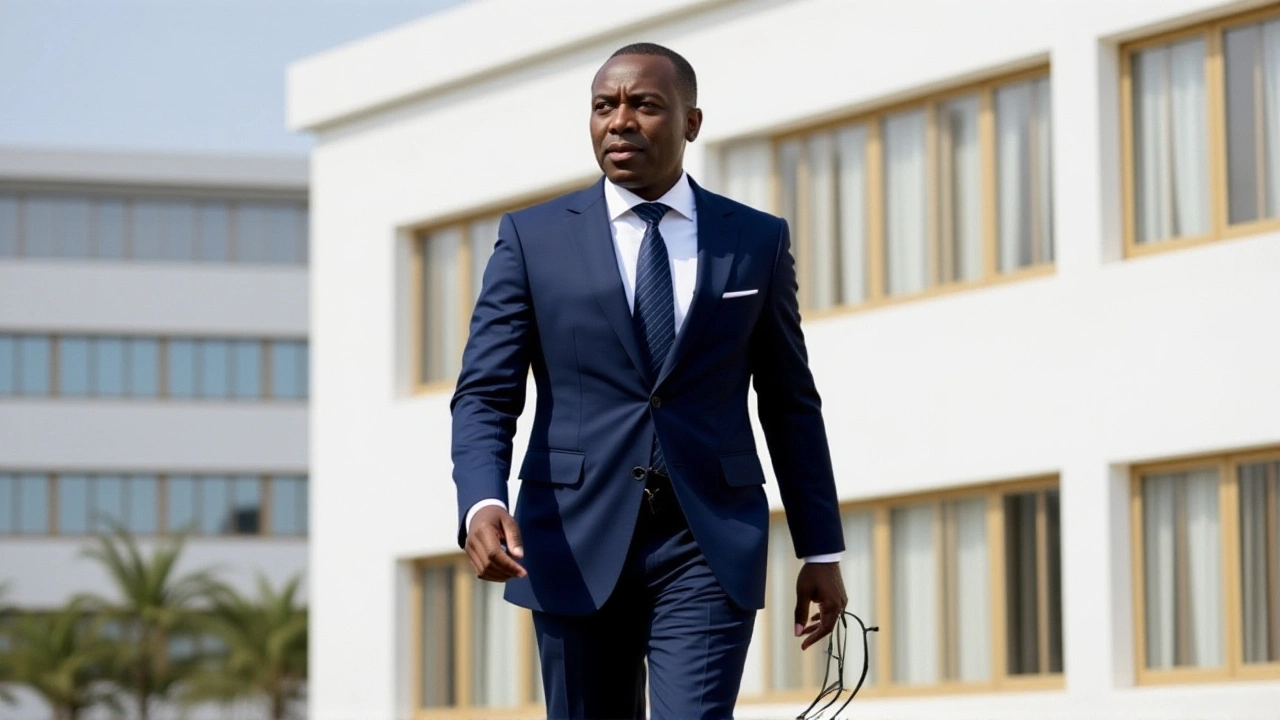
No Coup in Benin: False Claim of December 2025 Military Uprising Has No Basis in Fact
Keabetswe Monyake Dec 8 11No coup occurred in Benin on December 8, 2025—the claim is false. President Patrice Talon's government remains stable, with no military unrest since 1972. Benin's democratic resilience defies regional trends.
More Detail