
Solar Flare Vulnerability: How Space Weather Threatens Modern Infrastructure
When the sun lets out a massive burst of energy—a solar flare, a sudden explosion of radiation from the sun’s surface that can blast charged particles into space—it doesn’t just light up the sky. It can knock out power grids, scramble satellite signals, and disable communication systems across continents. This isn’t a movie plot. In 1989, a single solar storm took down Quebec’s entire power grid in 90 seconds, leaving six million people in the dark. Today, with even more electronics tied to the grid, we’re far more exposed. Geomagnetic storms, disturbances in Earth’s magnetic field caused by solar wind interacting with our atmosphere are the real danger. They’re what turn a solar flare into a nationwide blackout risk.
Power grids, the networks that deliver electricity across countries are especially vulnerable. Long transmission lines act like antennas, picking up the electrical surges from these storms. In Africa, where infrastructure is still expanding and backup systems are rare, a major event could leave cities without power for days—or weeks. Hospitals, water pumps, mobile networks—all rely on stable electricity. And it’s not just the grid. Satellite systems, the backbone of GPS, weather forecasts, and mobile data across Africa, can be fried by high-energy particles. Imagine losing navigation for cargo ships in Lagos, or GPS tracking for delivery trucks in Nairobi. Even air traffic control depends on satellites that could go silent.
What’s scary is how little most governments are doing to prepare. While the U.S. and Europe have started hardening critical systems, many African nations still treat space weather as a distant problem. But it’s not. In 2022, a solar storm disrupted radio signals across parts of West Africa during peak trading hours. In 2023, a minor flare caused temporary outages in satellite internet services in South Africa. These weren’t disasters—but they were warnings. The sun follows an 11-year cycle, and we’re heading into peak activity around 2025. That means more flares, more storms, and more chances for something big to hit. You don’t need to be a scientist to understand this: if your phone, your lights, or your bank app rely on electricity or satellites, you’re already living with solar flare vulnerability. Below, you’ll find real stories of how these events are already shaking up economies, disrupting sports broadcasts, and forcing institutions to rethink how they stay online—even when the sun decides to go rogue.
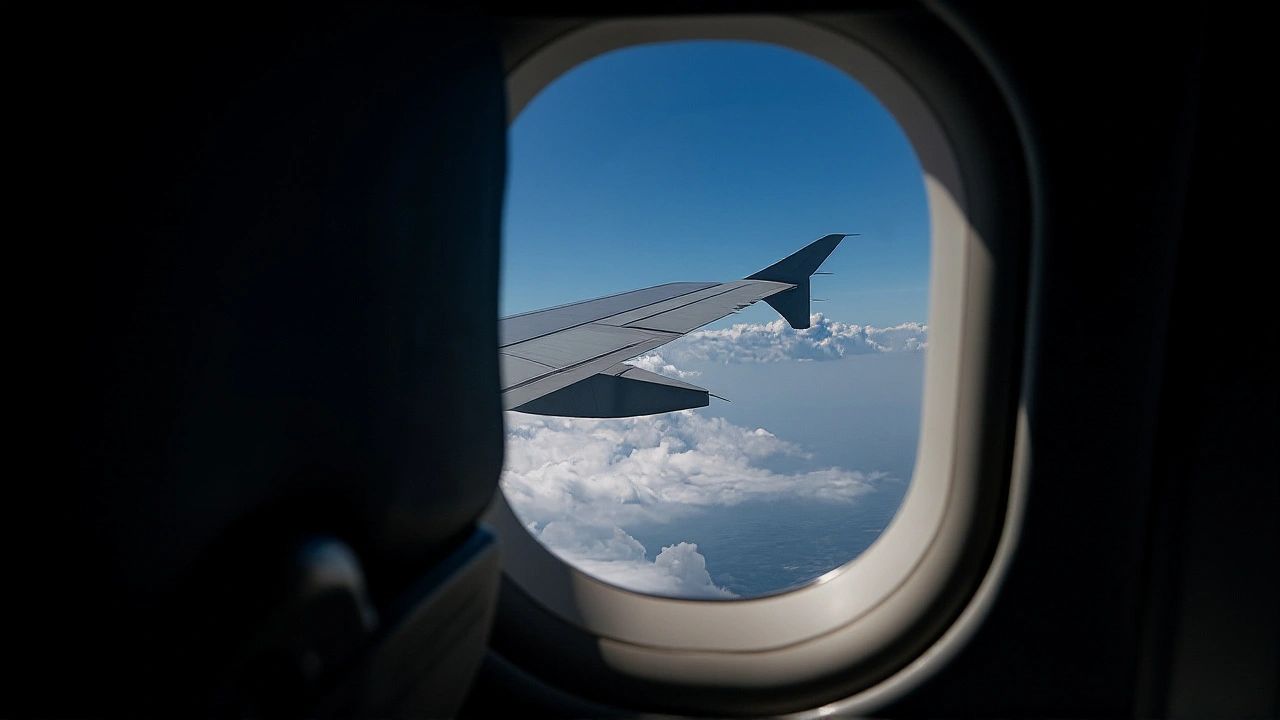
Airbus Recalls 6,000 A320 Jets After Solar Flare Bug Triggers Emergency Grounding
Keabetswe Monyake Dec 1 10Airbus recalled 6,000 A320 jets after a solar flare triggered a software flaw that caused a JetBlue flight to lose altitude. Airlines scrambled to fix the issue before Thanksgiving, with Avianca halting sales until Dec. 8. Fewer than 100 planes remain unmodified.
More Detail